
Wear in ceramic and glass production
From body preparation to glazing, the ceramic and glass process circulates suspensions loaded with hard particles: slip in atomization, glazes in application lines, raw material in the mills. Metal components wear fast in this flow — and worse, the detached metal contaminates the body and the glaze, producing defects that only appear after firing.
Technical alumina solves both problems at once: at 9 Mohs hardness it barely wears, and being chemically stable it releases no ions or particles into the processed material. A wear-resistant ceramic lining protects the equipment and product quality at the same time.
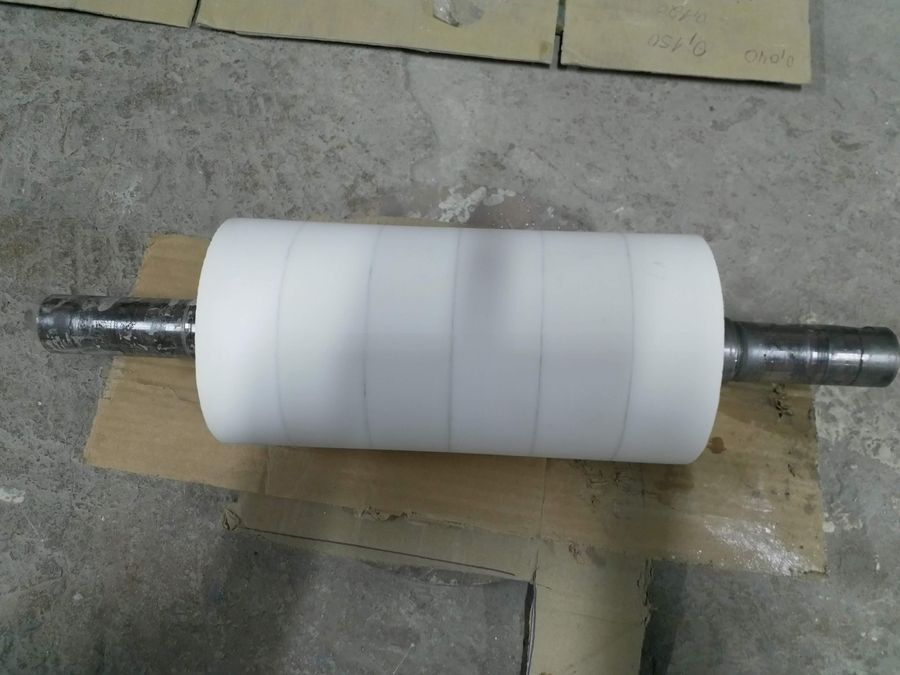
Where ceramics are applied in the sector
- Atomization — micro-cyclones, pumps and slip piping protected against suspension abrasion.
- Milling — ceramic rollers and cylinders that keep their profile and do not contaminate the body.
- Glazing — lines, elbows and bushings in contact with abrasive glazes.
- Raw-material transport — pipes, elbows and branches lined at the points of heaviest attack.
Components we supply
- Grinding rollers and cylinders — high hardness for continuous milling, contamination-free.
- Cyclones and micro-cyclones — classification and separation of abrasive suspensions.
- Lined pumps — slip and glaze pumping in solid ceramic.
- Ceramic-lined pipes and elbows — transport of suspensions and milled raw material.
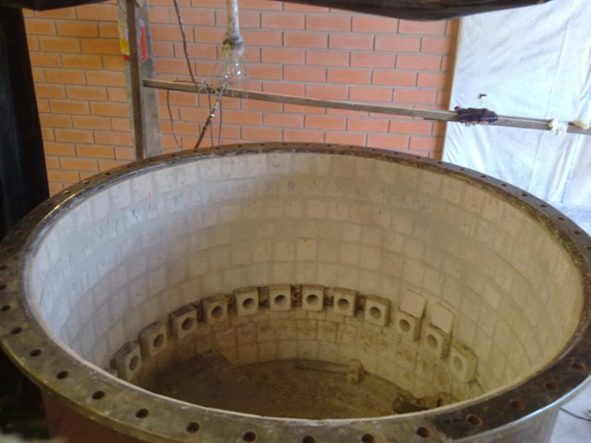
From one ceramics manufacturer to another
CETARCH masters the same production chain as its clients in this sector: it produces its own alumina, zirconia and rare-earth nanoparticles, designs and builds kilns, dryers and mills, and sinters the CT CEDUR line up to 1,750 °C in its own equipment. A company that makes technical ceramics from powder to finished part understands, in practice, the wear points of a ceramic or glass plant.
FAQFrequently asked questions
Do technical ceramics contaminate the body or the glaze?
No. Unlike metal, which sheds particles and stains the fired product, alumina is chemically stable and releases nothing into the slip or glaze — CT CEDUR components protect both the equipment and final product quality.
Which points of the plant pay back fastest when lined?
The ones with continuous abrasive suspension flow: atomization micro-cyclones and pumps, grinding rollers and the elbows of slip and glaze lines. These are the components replaced most often in metal and the first to pay for themselves in ceramic.
Do you manufacture geometries specific to my equipment?
Yes — 100% of parts are custom-made. Engineering starts from your drawing or a reference part and develops the right geometry and CT CEDUR formulation for your process, from specification to installation.